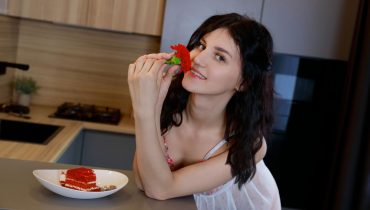
When Noa Banks first stepped into the world of vegan cooking, she felt like she had arrived in a foreign country without a map. The ingredients were unfamiliar, the techniques seemed overwhelming, and the idea of preparing dinner without cheese, butter, or the comfort of a traditional protein left her uncertain about where to begin.
Yet a quiet determination pushed her forward. She wanted to feel lighter, more energized, more in control of her health. And so, she began—hesitantly at first, then with growing confidence—building a new kind of dinner routine that transformed not only her evenings, but her entire relationship with nourishment.
Noa often describes her journey as “a slow unfolding.” She didn’t become vegan overnight. Instead, she slowly replaced one meal at a time, starting with the dinners she ate alone after long workdays. Those quiet evenings became her training ground. They were moments when she could experiment, make mistakes, and discover what she genuinely enjoyed. And as she gained confidence, she found herself developing simple vegan dinners that were not just accessible for beginners, but deeply comforting and surprisingly elegant.
Her philosophy is simple: dinner should feel calm, not chaotic. It should nourish the mind as much as the body. And above all, it should be simple enough for anyone—even those terrified of the stove—to bring to life.
The Turning Point: Why Noa Chose Simple Vegan Cooking
The shift started on a Tuesday night that she still remembers vividly. She had just finished a demanding work project and felt too tired to cook anything complicated. Reaching for a pre-made frozen meal, she paused, noticing how often she relied on foods that left her feeling bloated and sluggish. Without thinking too much, she chopped a zucchini, tossed it with olive oil and salt, and sautéed it with garlic. While it cooked, she warmed a can of chickpeas with paprika and lemon. She plated them together over warm rice, sat down, and felt something she hadn’t experienced from a weeknight meal in years—ease.
There was nothing extraordinary about that dinner, but it changed her. It proved that plant-based food didn’t have to be intimidating. It didn’t require specialty ingredients or elaborate techniques. It could be simple, fast, comforting, and deeply satisfying.
From that night forward, Noa committed to exploring vegan dinners that were grounded in simplicity. She found joy in ordinary ingredients—onions, carrots, beans, tomatoes, rice, lentils. She learned that when cooked with intention, the simplest ingredients could create meals that felt restorative at the end of a long day.
The Emotional Side of Beginner Cooking
Noa quickly learned that cooking is never just about food. It is about emotion. It is about identity. It is about memories and expectations. For beginners—especially beginners entering a completely new cuisine—fear often accompanies the process. Fear of doing it wrong. Fear of wasting ingredients. Fear of admitting, even silently, that something so simple can feel so hard.
She remembers feeling embarrassed when her first pot of rice burned because she was distracted scrolling on her phone. She remembers the watery soup that refused to thicken and the tofu that stuck to the pan because she didn’t heat it properly. But more importantly, she remembers the moment when she stopped judging herself and began treating her kitchen as a classroom.
That shift—allowing herself to be a beginner—opened her world. Instead of feeling pressured to create flawless meals, she began experimenting with flavors and textures. She tasted as she cooked. She learned to season gradually, to let ingredients speak for themselves, to stop rushing. Through this process, she began to understand why so many people give up before they begin: they expect perfection too early.
Noa developed a mindset that she now shares with others. A simple dinner is not about creating culinary masterpieces. It’s about producing something warm, nourishing, and enjoyable without stress. She encourages beginners to view each meal as a small act of care. The more gentle you are with yourself, the more naturally confidence grows.
The Rhythm of Simplicity
Noa’s dinners follow a rhythm rather than a recipe. She begins with a base—something grounding, like rice, quinoa, or roasted potatoes. Then she chooses a vegetable that inspires her that day. Maybe it’s the deep green of kale, the comforting sweetness of carrots, or the brightness of cherry tomatoes. Finally, she adds protein in the form of beans, tofu, or lentils. A drizzle of sauce or a sprinkle of herbs completes the dish.
This rhythm became a ritual. It freed her from the anxiety of planning every detail. She discovered that dinner could be both structured and spontaneous. It allowed her to make nourishing meals even when she felt tired or emotionally drained.
Over time, this rhythm evolved into a philosophy she teaches to new vegans: choose a base, choose a vegetable, choose a protein, choose a flavor. Within that framework, creativity thrives without overwhelming the cook. Beginners find confidence not by memorizing recipes, but by understanding patterns.
Learning to Taste: The Heart of Simple Vegan Dinners
When Noa started cooking vegan meals regularly, she realized something surprising: she had never truly paid attention to taste. She knew what she liked, but she had never understood why she liked certain things. She had never considered how acidity brightened food, how salt unlocked hidden flavors, how fats carried aromas, or how herbs transformed simple ingredients into vibrant meals.
This awakening began during an evening when she roasted carrots with a bit of olive oil and salt. The kitchen filled with a warm, earthy aroma. When she bit into one, she was stunned by the sweetness. It was a flavor she had tasted before, but she had never experienced it consciously. Without the distraction of heavy sauces or processed flavors, the carrot revealed its true character. That moment taught her that simplicity allows flavor to shine.
From then on, Noa began exploring food with curiosity. She squeezed lemon on everything just to see what would happen. She experimented with spices, discovering that cumin added depth, turmeric brought warmth, and smoked paprika created comfort. She played with textures too—roasting for crispness, simmering for softness, sautéing for quick richness.
For beginners entering vegan cooking, Noa emphasizes one rule: taste constantly. Add a little salt and taste again. Add a splash of acid and taste again. Learn how flavors interact. This habit builds intuition, making cooking feel natural instead of stressful.
The Role of Comfort in Vegan Cooking
Noa believes comfort is essential in beginner vegan dinners. Many new vegans assume plant-based food must be raw, green, or impossibly healthy. But Noa rejects that stereotype. She argues that comfort—warmth, heartiness, satisfaction—is what keeps people committed to a new lifestyle.
She remembers the first vegan dinner that made her feel truly comforted: a creamy potato and spinach stew thickened with blended white beans. It was rich without being heavy, warm without being oily, and satisfying without relying on dairy. She ate it slowly, sitting by the window while rain tapped softly against the glass. That dinner convinced her that vegan food could feel like a hug.
Comfort foods became a foundation of her beginner-friendly dinners. Dishes like sautéed mushrooms over garlic rice, simple lentil bolognese, or warm roasted sweet potatoes with tahini helped her shed the belief that plant-based meals were austere or unsatisfying. Each comforting dinner became another reason to continue the journey.
How Noa Helps Beginners Overcome Common Challenges
As Noa’s confidence grew, friends and family began asking for help. Many of them were curious about vegan cooking but overwhelmed by what they believed they needed—dozens of new ingredients, advanced knife skills, fancy blenders, strict meal plans. Noa quickly realized that most barriers to vegan cooking are psychological, not practical.
One of the biggest hurdles beginners face is the comparison trap. They scroll through social media and see ornate bowls, elaborate sauces, and perfectly styled dinners. They assume vegan cooking must look like that. Noa teaches that real vegan dinners—the ones people actually make on weeknights—are far simpler. A bowl of rice with roasted vegetables and beans may not look impressive on Instagram, but it nourishes the body and builds confidence.
Another common challenge is overcomplicating flavor. Beginners often think they need long ingredient lists to create a tasty meal. Noa counters this by demonstrating how a single spice blend, a drizzle of olive oil, and a squeeze of lemon can transform a dish. Complexity is not a requirement; intention is.
Finally, many beginners fear tofu and legumes. Noa gently guides them through understanding how to cook beans until creamy, how to press tofu for better texture, and how to roast chickpeas so they become crunchy and addictive. She emphasizes patience and playfulness, reminding them that learning new ingredients is part of the fun.
Simple Rituals for Peaceful Vegan Dinners
Noa’s dinners are more than meals—they are rituals designed to soothe and reset. As she grew more connected to her cooking practice, she developed small habits that transformed her evening routine. These habits became especially valuable to beginners who often feel overwhelmed.
She always begins by clearing the counter. “A clean space creates a calm mind,” she likes to say. Then she lights a candle or plays gentle music. These small steps signal to her brain that dinner is a time to unwind rather than rush. She prepares ingredients slowly, noticing textures, colors, and aromas. Cooking becomes a sensory pause rather than a chore.
She also practices gratitude while preparing meals. Sometimes she thanks the earth for producing the vegetables, sometimes she expresses gratitude for her own effort, and sometimes she simply acknowledges the privilege of having nourishing food. This ritual deepens her connection to her meals, making vegan cooking not just a dietary choice but a grounding practice.
Noa’s Vision for Beginners: A Lifestyle of Ease and Abundance
Over the years, Noa has inspired many beginners to embrace vegan dinners with confidence and joy. Her message is always the same: simplicity is a strength, not a compromise. You don’t need to master complex recipes or buy expensive ingredients. You simply need to approach each dinner with openness, patience, and a willingness to explore.
She encourages new cooks to trust their instincts, honor their cravings, and let go of perfection. Once beginners internalize this, they begin to feel empowered. They discover that vegan cooking is not restrictive—it is abundant. It offers endless flavor, constant creativity, and deep nourishment.
Noa’s simple dinners have become her signature. They are proof that plant-based eating does not require expertise, only intention. Through warm soups, comforting grains, vibrant vegetables, and thoughtful seasoning, she demonstrates night after night that beginner meals can be both simple and soul-satisfying.
What began as Noa’s personal experiment has grown into a philosophy that resonates with thousands: anyone can cook vegan dinners—slowly, joyfully, and beautifully—one simple meal at a time.